







2nd Unit 6. A Change of Scenery
El tiempo en inglés: sunny, rainy, cloudy y qué llevar
Al terminar vas a poder decir en inglés cómo está el tiempo —soleado, lluvioso, nublado, ventoso— y saber qué llevar según el tiempo que haga.
¿Cómo está el tiempo hoy?
En Costa Rica el tiempo cambia mucho: en la mañana hay sol en la playa, en la tarde llueve en San José y en el Irazú hace frío. Por eso, antes de salir, conviene preguntar What's the weather like? — ¿Cómo está el tiempo?
La respuesta siempre empieza igual: It is… y después cómo está el tiempo: It is sunny.
Las palabras del tiempo
| En inglés | Significa |
|---|---|
| sunny | soleado |
| rainy | lluvioso |
| cloudy | nublado |
| windy | ventoso, con viento |
| hot | caliente, hace calor |
| cold | frío |
| foggy | con neblina |
Muchas terminan en -y: sun → sunny, rain → rainy, cloud → cloudy, wind → windy.
Preguntar y contestar
- What's the weather like today? — ¿Cómo está el tiempo hoy?
- It is cloudy. — Está nublado.
- At the beach the weather is hot. — En la playa hace calor.
Qué llevar según el tiempo
| Si está… | Llevo… |
|---|---|
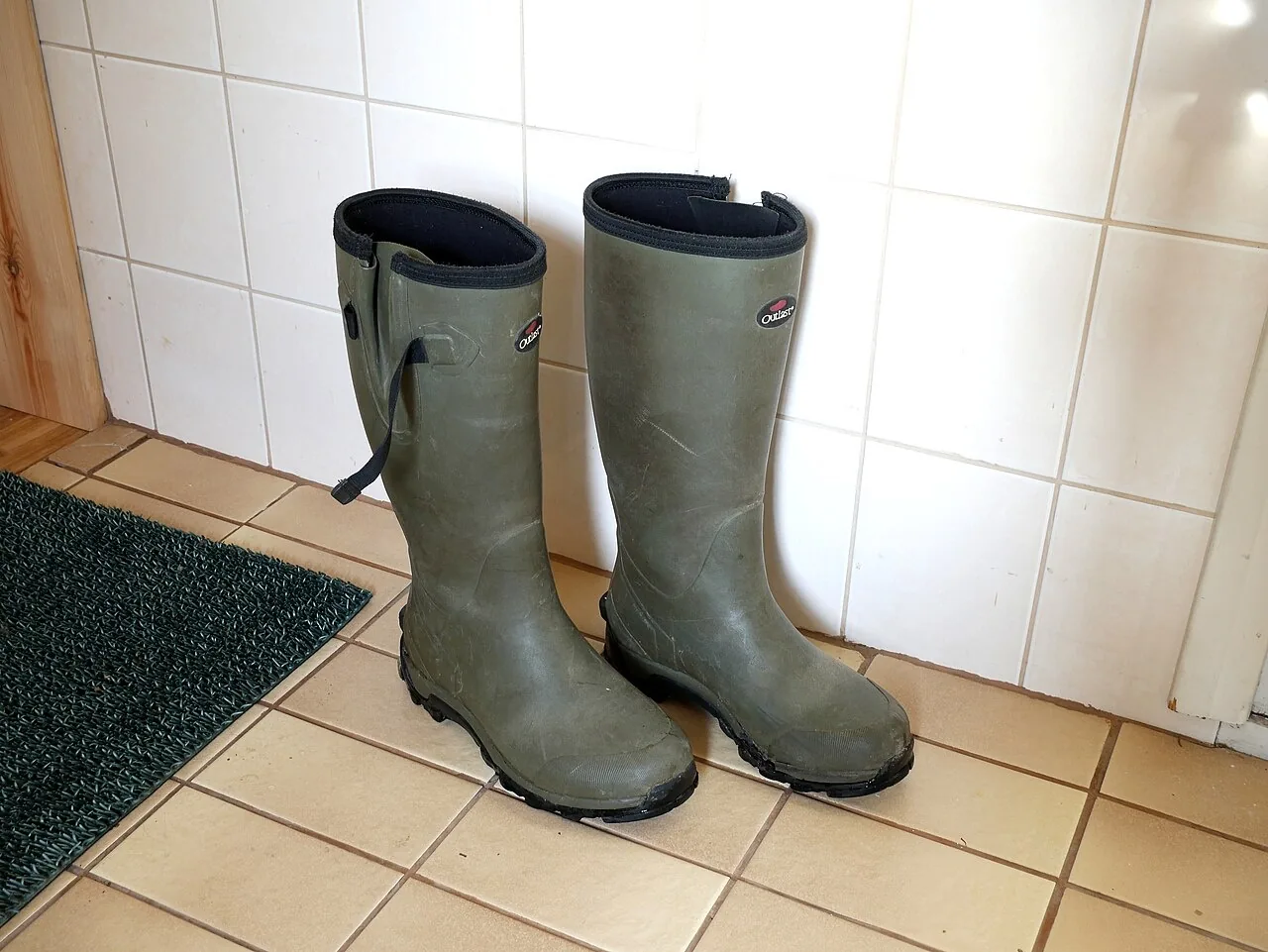
| rainy | an umbrella (sombrilla), rain boots (botas de hule) |
| sunny | a cap (gorra), sunglasses (anteojos de sol) |
| cold | a sweater (suéter) |
| windy | a kite (papalote), ¡a volarlo! |
- When it is sunny, I wear my cap. — Cuando hace sol, me pongo la gorra.

La canción de la lluvia
Rain, rain, go away, come again another day. — Lluvia, lluvia, andate; volvé otro día. Go away es irse.
Más ropa y objetos
- raincoat — capa de lluvia
- jacket — jacket
- scarf — bufanda
- hat — sombrero
- shorts — pantaloneta
- boots — botas
Una conversación corta
- A: What's the weather like? — ¿Cómo está el tiempo?
- B: It is rainy. — Está lluvioso.
- A: What do I need? — ¿Qué necesito?
- B: You need an umbrella and rain boots. — Necesitás una sombrilla y botas de hule.
Los días y el tiempo
- On Monday it is sunny. — El lunes hace sol.
- On Tuesday it is cloudy. — El martes está nublado.
- On Wednesday it is rainy. — El miércoles está lluvioso.
Ejemplos resueltos
1. En Tamarindo hace mucho sol y calor. ¿Cómo está el tiempo?
It is sunny.
2. Empieza a llover fuerte en San José.
It is rainy today.
3. El cielo está gris y lleno de nubes.
It is cloudy.
4. Está lloviendo y Mateo sale. ¿Qué lleva?
An umbrella.
5. En agosto hay mucho viento y los niños vuelan papalotes.
It is windy.
6. ¿Qué significa «foggy»?
Con neblina.
7. Completá: «It ___ windy today» (está).
Is.
8. Traducí: «I wear my cap».
Me pongo la gorra.
9. ¿Qué llevás si hace frío?
A sweater.
Los errores que más se cobran
- Confundir «sunny» y «rainy». Sunny es soleado; rainy es lluvioso.
- Confundir «cloudy» con «cold». Cloudy es nublado; cold es frío.
- Olvidar «It is». Se dice It is sunny, no solo «sunny».
- Llevar sombrilla porque hace viento. La umbrella es para la lluvia.
- Contestar el tiempo con el día. It is Monday dice el día, no el tiempo.
- Confundir «hot» y «hat». Hot es caliente; hat es sombrero.
- Escribir «wether». Se escribe weather, con ea.
Cómo acompañar en casa
Esta parte es para la persona que acompaña. No hace falta saber inglés: las respuestas van al lado.
Al terminar, el estudiante tiene que poder: decir cómo está el tiempo y qué llevar.
Tres preguntas para hacerle
- What's the weather like today? → It is sunny / rainy / cloudy…
- ¿Qué significa «windy»? → con viento
- ¿Qué lleva si llueve? → an umbrella
Si se traba. Si confunde las palabras, busquen la pista en la palabra: sun (sol) → sunny; rain (lluvia) → rainy.
Cinco minutos en la casa. Cada mañana de esta semana, miren juntos por la ventana y que el estudiante diga el tiempo en inglés y qué debería llevar a la escuela.
Clave de análisis
El tiempo se describe con It is + una palabra que casi siempre termina en -y: sunny, rainy, cloudy, windy, foggy; y además hot y cold.
Cada tiempo trae su objeto: lluvia, umbrella; sol, cap; frío, sweater; viento, kite.