








LecciónInglés · Quinto grado

5th Unit 4. Healthy Choices, Better Life

Un estilo de vida sano en inglés: hábitos, will y should

Al terminar vas a poder describir en inglés un estilo de vida sano, comparar hábitos con more… than y the best, y hacer promesas para cuidarte con will y should.

Practicar este tema
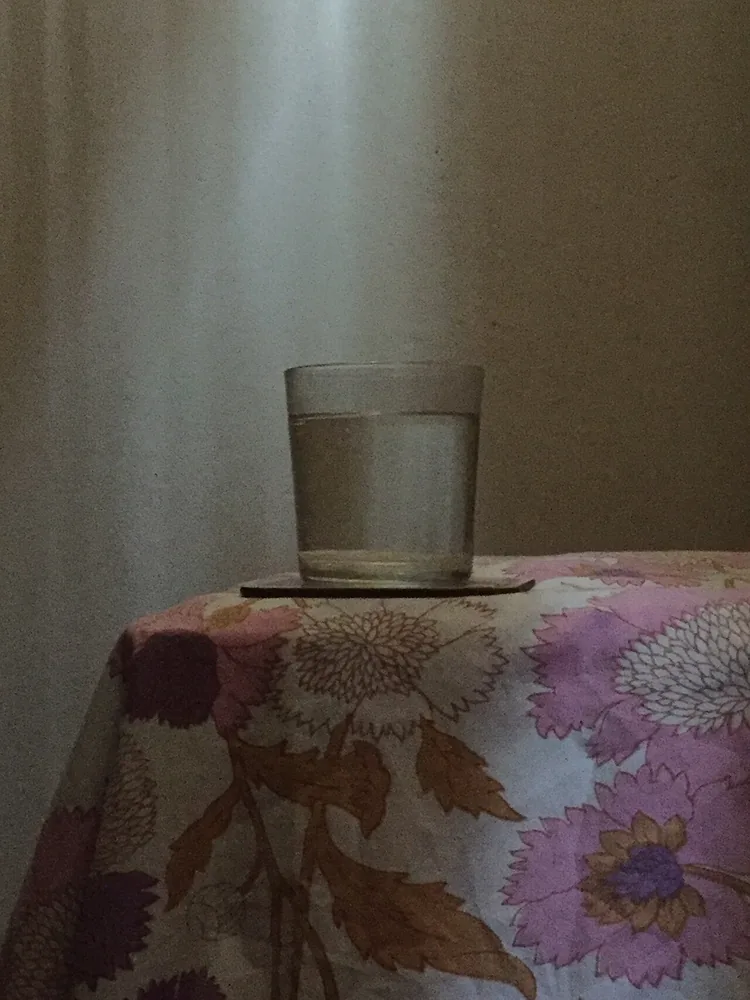
Un vaso de agua sobre la mesa. I should drink more water and less soda. Foto: Zmrob25, Wikimedia Commons, CC BY-SA 4.0.

Entender

Un estilo de vida sano

Vivir sano no es una sola cosa: es comer bien, moverse, dormir lo suficiente, tomar agua y cuidar la higiene. Todo junto se llama a healthy lifestyle.

What is a healthy lifestyle? — ¿Qué es un estilo de vida sano? Eating well, sleeping enough and exercising. — Comer bien, dormir lo suficiente y hacer ejercicio.

Hábitos sanos y no tan sanos

Healthy habitsUnhealthy habits
washing your hands before eatingskipping breakfast
sleeping enoughsleeping with the TV on
drinking waterdrinking a lot of soda
eating fruit and vegetableseating junk food every day

Junk food es comida chatarra: mucha grasa, sal o azúcar.
Comparar

  • Vegetables are more healthy than fried food. — Las verduras son más sanas que la comida frita.
  • Fruit is the best snack for school. — La fruta es la mejor merienda para la escuela.

Promesas y consejos

  • I will eat healthy food. — Voy a comer comida sana.
  • I should drink more water and less soda. — Debería tomar más agua y menos refresco.
  • I'm going to eat breakfast every morning. — Voy a desayunar todas las mañanas.

Dormir

Un niño de quinto grado necesita dormir, más o menos, between nine and twelve hours —entre nueve y doce horas—.

Un día sano

  • Morning: I eat breakfast and brush my teeth. — Por la mañana desayuno y me cepillo los dientes.
  • Afternoon: I play outside with my friends. — Por la tarde juego afuera con mis amigos.
  • Night: I take a shower and go to bed early. — Por la noche me baño y me acuesto temprano.

Una conversación corta

  • A: Do you eat breakfast every day? — ¿Desayunás todos los días?
  • B: Yes, I do. I usually eat eggs and fruit. — Sí. Casi siempre como huevos y fruta.
  • A: How many hours do you sleep? — ¿Cuántas horas dormís?
  • B: I sleep ten hours. — Duermo diez horas.

Más palabras

  • exercise — hacer ejercicio
  • rest — descansar
  • hygiene — higiene
  • snack — merienda
  • sugar — azúcar

Ver

Ejemplos resueltos

1. «I will eat healthy food». ¿Qué va a hacer Sofía?

Comer comida saludable.

2. ¿Qué palabra falta? «Vegetables are ___ healthy than fried food».

More.

3. ¿Qué significa «junk food»?

Comida chatarra.

4. ¿Qué palabra falta? «Fruit is the ___ snack for school».

Best.

5. ¿Cuál es un hábito saludable?

Washing your hands before eating.

6. ¿Qué significa «hygiene»?

Higiene.

7. Completá: «I ___ drink more water» (debería).

Should.

8. Traducí: «I go to bed early».

Me acuesto temprano.

9. ¿Cuál es un hábito no saludable?

Skipping breakfast, o tomar mucha soda.

Probar

Tu práctica

Practicá Inglés aquí

Temario de Inglés de quinto grado

Recordar

Los errores que más se cobran

  1. Decir «the most good». Se dice the best.
  2. Confundir «will» y «should». Will es lo que vas a hacer; should, lo que conviene.
  3. Saltarse el desayuno. Da la energía para empezar el día.
  4. Pensar que dormir poco no importa. El cuerpo necesita descansar para crecer y aprender.
  5. Olvidar el «than». More healthy than.
  1. Decir «I should to drink». Después de should va el verbo sin to: I should drink.
  2. Confundir «sugar» y «salt». Sugar es azúcar; salt es sal.

Cómo acompañar en casa

Esta parte es para la persona que acompaña. No hace falta saber inglés: las respuestas van al lado.

Al terminar, el estudiante tiene que poder: nombrar hábitos sanos en inglés y hacer una promesa para cuidarse.

Tres preguntas para hacerle

  1. What is a healthy habit? → washing your hands / sleeping enough…
  2. What will you do to be healthier? → I will…
  3. ¿Qué significa «junk food»? → comida chatarra

Si se traba. Hagan juntos dos listas en la refri, healthy y unhealthy, y que agregue una cosa cada día.

Cinco minutos en la casa. Que cada persona de la familia diga en inglés un hábito sano que va a empezar esta semana.

Clave de análisis

Un healthy lifestyle es comer bien, moverse, dormir lo suficiente y lavarse las manos. La junk food se deja para de vez en cuando.

Para comparar: more healthy than y the best. Para cuidarse: I will… y I should….

Compartí esta lección

Mandásela a un compañero o a tu grupo de estudio.

WhatsAppFacebookX

Más lecciones de Inglés

Seguí con otro tema del temario.

Te podría interesar

Del blog de ExamenesCR.

5th Unit 4. Healthy Choices, Better Life

Un estilo de vida sano en inglés: hábitos, will y should

Al terminar vas a poder describir en inglés un estilo de vida sano, comparar hábitos con more… than y the best, y hacer promesas para cuidarte con will y should.

Un estilo de vida sano

Vivir sano no es una sola cosa: es comer bien, moverse, dormir lo suficiente, tomar agua y cuidar la higiene. Todo junto se llama a healthy lifestyle.

What is a healthy lifestyle? — ¿Qué es un estilo de vida sano? Eating well, sleeping enough and exercising. — Comer bien, dormir lo suficiente y hacer ejercicio.

Hábitos sanos y no tan sanos

Healthy habitsUnhealthy habits
washing your hands before eatingskipping breakfast
sleeping enoughsleeping with the TV on
drinking waterdrinking a lot of soda
eating fruit and vegetableseating junk food every day

Junk food es comida chatarra: mucha grasa, sal o azúcar.

Un vaso de agua sobre la mesa. I should drink more water and less soda. Foto: Zmrob25, Wikimedia Commons, CC BY-SA 4.0.

Comparar

  • Vegetables are more healthy than fried food. — Las verduras son más sanas que la comida frita.
  • Fruit is the best snack for school. — La fruta es la mejor merienda para la escuela.

Promesas y consejos

  • I will eat healthy food. — Voy a comer comida sana.
  • I should drink more water and less soda. — Debería tomar más agua y menos refresco.
  • I'm going to eat breakfast every morning. — Voy a desayunar todas las mañanas.

Dormir

Un niño de quinto grado necesita dormir, más o menos, between nine and twelve hours —entre nueve y doce horas—.

Un día sano

  • Morning: I eat breakfast and brush my teeth. — Por la mañana desayuno y me cepillo los dientes.
  • Afternoon: I play outside with my friends. — Por la tarde juego afuera con mis amigos.
  • Night: I take a shower and go to bed early. — Por la noche me baño y me acuesto temprano.

Una conversación corta

  • A: Do you eat breakfast every day? — ¿Desayunás todos los días?
  • B: Yes, I do. I usually eat eggs and fruit. — Sí. Casi siempre como huevos y fruta.
  • A: How many hours do you sleep? — ¿Cuántas horas dormís?
  • B: I sleep ten hours. — Duermo diez horas.

Más palabras

  • exercise — hacer ejercicio
  • rest — descansar
  • hygiene — higiene
  • snack — merienda
  • sugar — azúcar

Ejemplos resueltos

1. «I will eat healthy food». ¿Qué va a hacer Sofía?

Comer comida saludable.

2. ¿Qué palabra falta? «Vegetables are ___ healthy than fried food».

More.

3. ¿Qué significa «junk food»?

Comida chatarra.

4. ¿Qué palabra falta? «Fruit is the ___ snack for school».

Best.

5. ¿Cuál es un hábito saludable?

Washing your hands before eating.

6. ¿Qué significa «hygiene»?

Higiene.

7. Completá: «I ___ drink more water» (debería).

Should.

8. Traducí: «I go to bed early».

Me acuesto temprano.

9. ¿Cuál es un hábito no saludable?

Skipping breakfast, o tomar mucha soda.

Los errores que más se cobran

  1. Decir «the most good». Se dice the best.
  2. Confundir «will» y «should». Will es lo que vas a hacer; should, lo que conviene.
  3. Saltarse el desayuno. Da la energía para empezar el día.
  4. Pensar que dormir poco no importa. El cuerpo necesita descansar para crecer y aprender.
  5. Olvidar el «than». More healthy than.
  1. Decir «I should to drink». Después de should va el verbo sin to: I should drink.
  2. Confundir «sugar» y «salt». Sugar es azúcar; salt es sal.

Cómo acompañar en casa

Esta parte es para la persona que acompaña. No hace falta saber inglés: las respuestas van al lado.

Al terminar, el estudiante tiene que poder: nombrar hábitos sanos en inglés y hacer una promesa para cuidarse.

Tres preguntas para hacerle

  1. What is a healthy habit? → washing your hands / sleeping enough…
  2. What will you do to be healthier? → I will…
  3. ¿Qué significa «junk food»? → comida chatarra

Si se traba. Hagan juntos dos listas en la refri, healthy y unhealthy, y que agregue una cosa cada día.

Cinco minutos en la casa. Que cada persona de la familia diga en inglés un hábito sano que va a empezar esta semana.

Clave de análisis

Un healthy lifestyle es comer bien, moverse, dormir lo suficiente y lavarse las manos. La junk food se deja para de vez en cuando.

Para comparar: more healthy than y the best. Para cuidarse: I will… y I should….